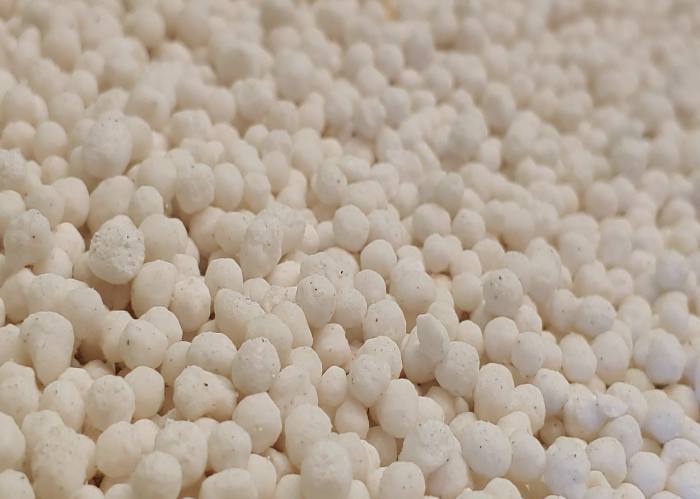
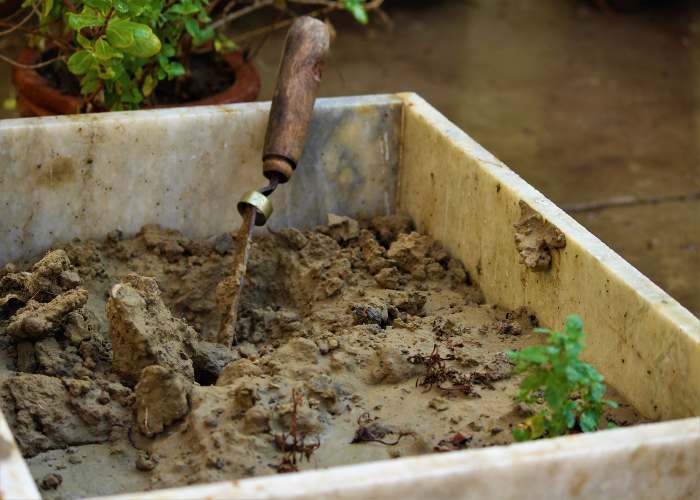
To maintain good plant health, you need to have a constant supply of the finest nutrients. This applies whether the gardener wants to grow ornamental plants, fruits, or vegetables. As a way of replenishing the nutrients lost by plant life, fertilizer is often added to the soil.
Both organic and chemical fertilizers supply essential nutrients such as potassium, phosphorus, and nitrogen. These essential nutrients are vital for plant life, as well as other valuable trace nutrients. The correct amount and percentage of fertilizer to be applied depends on many factors. However, each plant’s specific needs will determine the exact amount.
Test the soil
The gardener can quickly determine the soil’s pH by performing a soil test. This will give all the information needed to determine if the soil is deficient in nutrients. This soil test can be used by gardeners to adjust the fertilization to replenish nutrients. Even the most thorough testing can only give minimal results in determining the amount of nitrogen that must be added to soil.
Sample test kits can be purchased at your local hardware or home improvement store. These tests provide gardeners with more information about the soil’s content by analyzing its contents. Although it is possible to obtain high-quality soil without the use of a soil test; however, this requires more work in choosing the right fertilizer.
Additions
An organic amendment can be used with strong chemical fertilizers. Organic amendments are nothing more than compost. Organic matter is constantly decomposing and releasing essential nutrients to make soil richer.
As an organic alternative to chemical fertilizers, some gardeners add bone meal. Pot ash and blood meal can also provide the required nitrogen. Before planting, all organic amendments should be mixed into the soils.
When is it time to fertilize
Each fertilizer type has a different time to be applied for soil blending. It is usually listed on the bag. Higher levels of phosphorus in the first part of the growing season will be a benefit to all kinds of vegetable and fruit plants. Phosphorus is what encourages healthy roots and stems.
Mid-season can be a good time to add more nitrogen to your soil. This will increase the production of fruit and leaves. Too much nitrogen can lead to too many leaves and too few flowering buds.
Over fertilizing can do as much damage as not fertilizing enough. If the gardener is unsure whether to feed their plants more fertilizer or wait until the plants are producing less, it is best to wait. Only then can the gardener be sure that fertilizer has been properly added.