
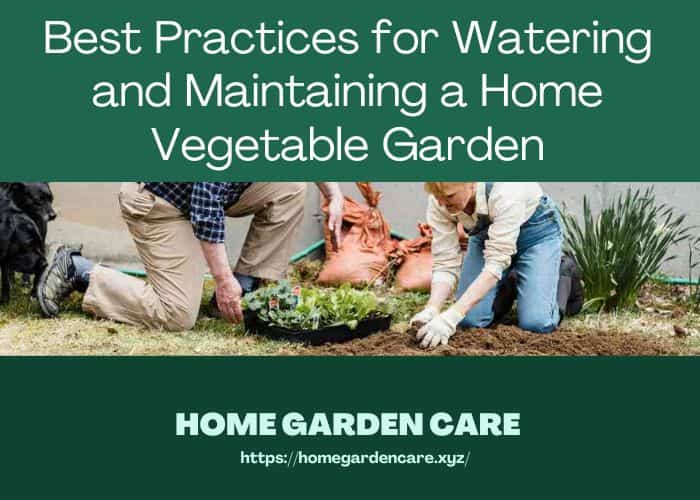
Healthy Plants and a Good Harvest
Creating a thriving vegetable garden at home can be a rewarding endeavor, providing fresh produce and a connection to nature. However, achieving healthy plants and a bountiful harvest requires knowledge of best practices for watering and maintaining your garden. In this post, we will explore essential vegetable gardening tips, effective irrigation methods, and the importance of consistent plant care and garden maintenance.
Understanding Water Needs: The Key to Healthy Plants
 Soil Moisture Management
One of the most critical factors in vegetable gardening is managing soil moisture. Healthy plants thrive in well-watered, yet well-drained soil. Here are some best practices for ensuring optimal moisture levels:
1. Check Soil Moisture Regularly: Use your finger to test the topsoil; it should feel moist but not soggy. For more precise moisture readings, think about purchasing a soil moisture meter.
2. Mulch: Apply a layer of organic mulch (like straw, wood chips, or grass clippings) around your plants. Mulch helps retain moisture, suppress weeds, and regulate soil temperature, contributing to overall garden health.
3. Water deeply and infrequently: Instead of short, frequent waterings, aim for deep watering sessions that reach the root zone. This encourages roots to grow deeper and makes them more drought-resistant (Watering Your Vegetable Garden the Right Way, Top Tips, 2022).
Optimal Watering Techniques
Different irrigation methods can affect the health of your vegetable garden. Here are some effective strategies:
1. Drip Irrigation: This method delivers water directly to the plant’s root zone, reducing evaporation and minimizing weed growth. Drip irrigation is not only water-efficient but also allows for targeted fertilization.
2. Soaker Hoses: Similar to drip irrigation, soaker hoses provide a slow, even supply of water directly to the soil. Lay them out in rows of your vegetable garden for excellent moisture distribution.
3. Sprinklers: While effective, sprinklers can lead to overwatering and disease if used improperly. Water early in the morning or late in the evening to minimize evaporation and fungal diseases (Irrigation Systems for the Garden, 2020).
Regular Garden Maintenance Practices
Watering is just one aspect of maintaining a successful vegetable garden. Regular care and maintenance are crucial for ensuring healthy plants and a satisfactory harvest.
Routine Weeding and Mulching
Weeds aggressively consume vital resources, leaving your vegetable plants starved of sunlight, water, and soil nutrients. Regularly remove weeds by hand or with tools, ensuring a clean growing environment. Reapplying mulch throughout the season will keep weeds at bay and reduce the frequency of watering.
Fertilization and Soil Health
Incorporating organic matter into your soil, such as compost or aged manure, can significantly enhance soil fertility and structure. Regular soil testing will help you understand the nutrient levels and pH balance, allowing you to fertilize appropriately.
1. Organic Fertilizers: Use organic fertilizers (such as fish emulsion or bone meal) to provide essential nutrients without harming beneficial soil organisms.
2. Crop Rotation: To prevent nutrient depletion and reduce pest build-up, rotate your crops each season. Different types of plants have varying nutrient requirements and help maintain soil health.
Pest and Disease Management
Vigilant monitoring of your plants for pests and diseases is vital. Employ these strategies to keep your garden healthy:
- Companion Planting: Planting certain plants together can naturally deter pests. For example, marigolds are known to repel nematodes.
- Regular Inspections: Routinely check the undersides of leaves and the specific areas around your vegetables for any signs of trouble, addressing issues immediately.
Conclusion: Nurturing Your Vegetable Garden for the Best Harvest
With the right practices for watering and maintaining your home vegetable garden, you can cultivate healthy plants and enjoy an abundant harvest. Remember to monitor soil moisture, utilize efficient irrigation methods, and implement consistent garden maintenance. By adopting these vegetable gardening tips and committing to regular care, you’ll set yourself up for gardening success.
By following these best practices, you will not only create a vibrant and productive vegetable garden but also develop a deeper connection with your food and the environment.
References
Irrigation Systems for the Garden. (2020, August 21). Extension. https://extension.unh.edu/blog/2020/08/irrigation-systems-garden
Watering Your Vegetable Garden the Right Way, Top Tips. (2022, March 24). Swan Hose. https://swanhose.com/blogs/watering-vegetables/how-to-water-your-vegetable-garden-the-right-way#
- University of California Agriculture and Natural Resources. (2021). Home Vegetable Gardening.
- National Gardening Association. (n.d.). Vegetable Gardening Tips.
- Colorado State University Extension. (2018). Irrigation Methods for the Home Gardener.