Vegetable gardening has surged in popularity, rivaling grocery store visits for fresh produce. One of the primary advantages of growing your own vegetables is cost efficiency; homegrown produce is typically cheaper than store-bought options.
Moreover, vegetables cultivated in a home garden often possess superior flavor, making the effort well worth it. Growing vegetables shares similarities with cultivating herbs and flowers; with the right approach and proper care, vegetable plants can thrive and yield delicious results.
Choosing the Right Location and Size for Your Garden
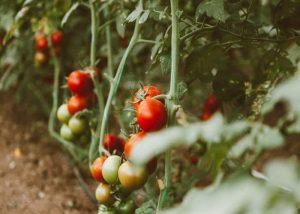 To embark on a successful vegetable gardening journey, the initial step is to determine both the size of the garden and its location. Ideal sites have the following attributes: good drainage, ample airflow, and deep, nutrient-rich soil. Additionally, the selected area should receive as much sunlight as possible, as sunlight is crucial for plant growth.
Vegetable gardens frequently attract a variety of wildlife, including dogs, rabbits, and deer, all of which may relish your homegrown vegetables. To mitigate this risk, consider erecting a fence around your garden or employing traps to catch smaller intruders, such as mice and moles.
Preparing the Soil: A Critical Step
Prior to planting, it is essential to prepare the soil adequately. The foundation of a thriving vegetable garden rests on the quality of its soil. Begin the preparation process through cultivation and by incorporating organic materials into the soil mix. Tilling the soil is important for controlling weeds and ensuring that mulch is well-integrated. In smaller gardens, spading may be a more beneficial method than traditional plowing.
Mulching plays a vital role in soil preparation. Adding organic matter improves soil structure and fertility, releasing essential nitrogen, minerals, and nutrients necessary for robust plant growth. Compost stands out as the preferred choice for mulch due to its nutrient density.
The type and amount of fertilizer applied depend on both the soil condition and the specific types of plants in your garden. Certain plants have distinct nutritional needs; for instance, leafy vegetables like cabbage, spinach, and lettuce usually thrive with higher nitrogen levels. In contrast, root crops such as potatoes, beets, and carrots generally require increased potash. Meanwhile, tomatoes and beans are less dependent on fertilizers, whereas plants like onions, celery, and potatoes benefit from more substantial amounts.
Strategic Plant Arrangement within the Garden
A successful vegetable garden also depends on how plants are arranged. Each garden presents unique conditions, and thus, no universal layout is applicable. A common method is to group plants based on their spatial needs. For example, plants that require minimal space-such as radishes, lettuce, beets, and spinach-can be cultivated together, while those needing more room, like corn, pumpkins, and potatoes, should be grouped separately.
For optimal light exposure, position taller plants at the back of the garden bed and shorter varieties in front. This arrangement helps prevent taller plants from shading out their shorter counterparts, ensuring all plants receive adequate sunlight.
Timing Your Planting
When preparing to plant your vegetable garden, it is crucial to consider the appropriate planting times. If you are eager to get a head start, you may opt to sow seeds indoors in a hotbed before transplanting them outdoors when conditions are favorable. Once planting is complete, ensure that your crops receive sufficient water, which may vary according to plant type-most vegetables require approximately one inch of water per week for optimal growth.
Weed and Pest Management
Weed control in vegetable gardening is paramount, as weeds can compete for moisture, light, and nutrients, ultimately hindering the growth of your vegetables. Additionally, weeds can introduce pests and diseases to your garden. Effective weed management can be achieved through methods such as cultivation or mulching.
To safeguard against diseases and insects, choose seeds that are resistant to common plant ailments or consider employing controlled chemical treatments as needed.
The Satisfaction of Homegrown Vegetables
Vegetable gardening is a favored pastime for many, largely because it allows individuals to experience the tangible rewards of their efforts. The initial investment in setting up a vegetable garden is relatively low, yet the flavors of homegrown vegetables far surpass those found in supermarkets.
By following the appropriate guidelines during the planting process and maintaining diligent care, vegetable gardening can lead to bountiful harvests, contributing both to enjoyment and to healthier eating for you and your family.